Broadleaf Weeds: What They Are and How to Control Them
What Are Broadleaf Weeds?
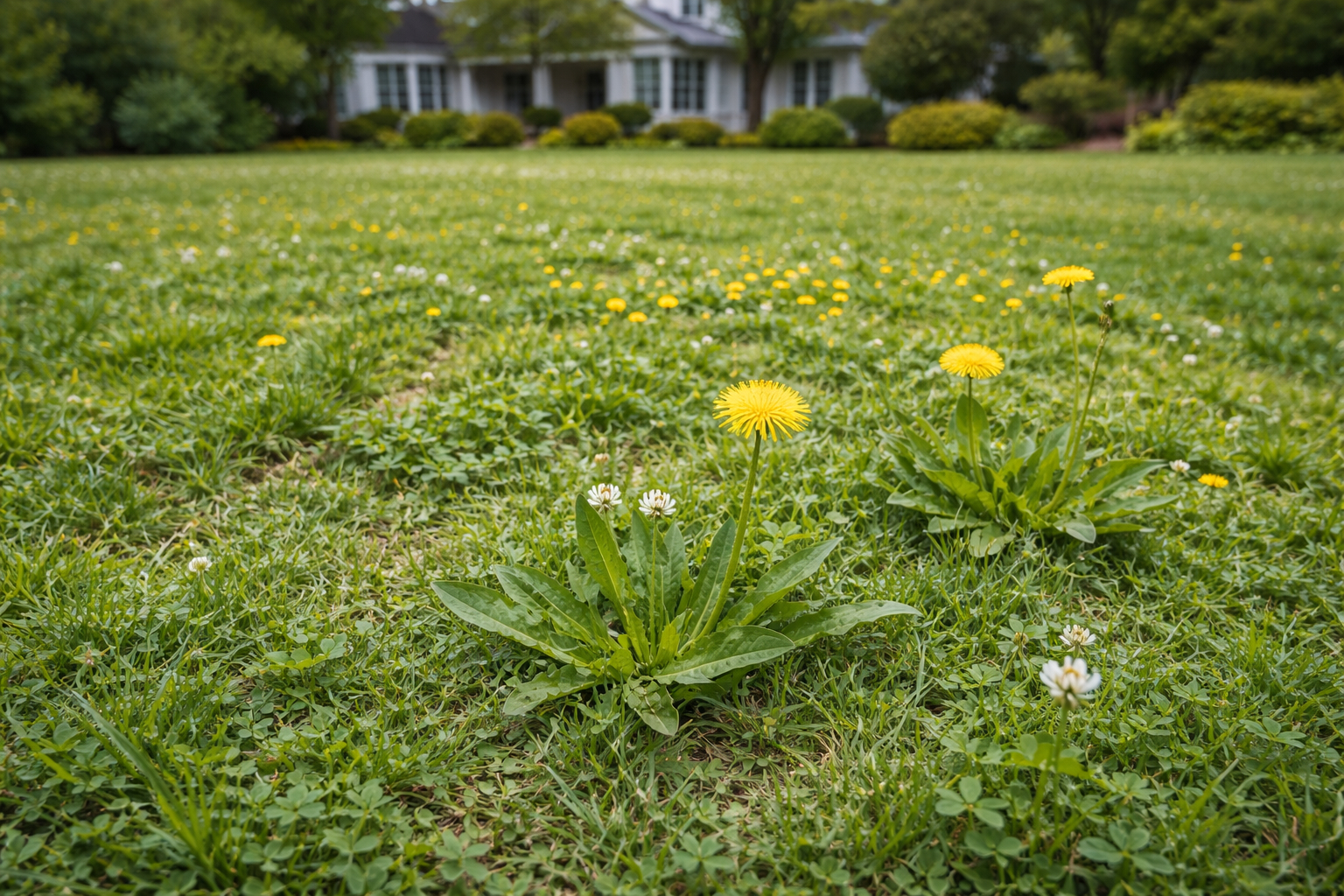
If you have ever looked out at your lawn and noticed patches of clover, dandelion, chickweed, or plantain breaking up otherwise healthy turf, you are likely dealing with broadleaf weeds. Unlike grass, broadleaf weeds have wider leaves, more visible veins, and a growth habit that makes them stand out quickly in a lawn. At Superior Arbor Care, we help homeowners across Fairfield County, Connecticut identify these common lawn invaders and develop a practical strategy to control them without losing sight of the bigger goal — a healthier, thicker lawn that naturally crowds weeds out.
Why Broadleaf Weeds Show Up in the First Place
Broadleaf weeds are often a symptom of an underlying lawn issue rather than the root problem themselves. Thin turf, compacted soil, poor mowing practices, drainage problems, and inconsistent fertilization can all create opportunities for weeds to take hold. In Connecticut lawns, broadleaf weeds tend to spread aggressively in areas where grass is stressed or sparse. That is why successful broadleaf weed control is not just about spraying weeds — it is also about correcting the lawn conditions that allowed them to establish.

Common Broadleaf Weeds in Fairfield County Lawns
Some of the most common broadleaf weeds we see in Fairfield County include dandelion, white clover, ground ivy, chickweed, plantain, and wild violet. Each behaves a little differently. Some spread by seed, while others creep across the surface and root along the way. Some thrive in compacted soil, while others take advantage of shade or excessive moisture. Learning to identify which weeds are present is an important first step because the best weed control for lawns depends on the type of weed, the size of the infestation, and the condition of the surrounding grass.
How to Control Broadleaf Weeds Effectively
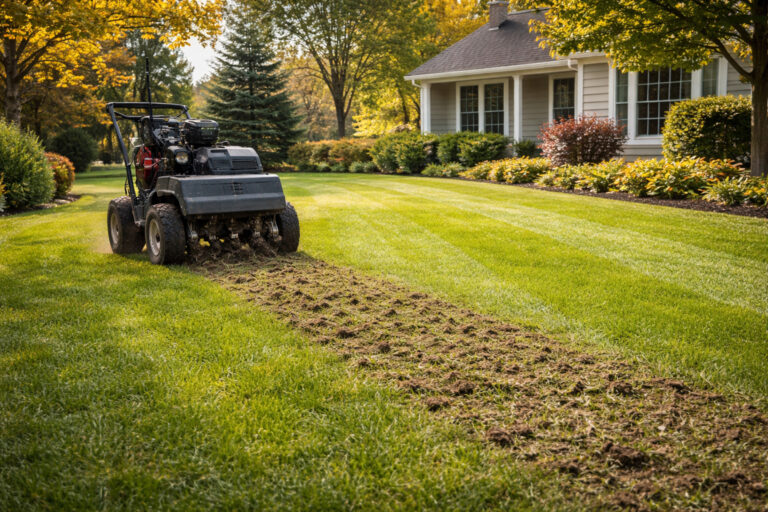
The best approach to how to control broadleaf weeds combines targeted treatment with stronger lawn care practices. Spot-treating active weeds can be effective, especially when timed correctly during active growth in spring or fall. But long-term control comes from improving lawn density through fertilization, proper watering, mowing at the right height, and seasonal aeration and overseeding. A dense, healthy lawn is one of the best defenses against future weed pressure because it leaves less room for weeds to germinate and spread.
Prevention Is Better Than Constant Treatment
Many homeowners focus on removing visible weeds but overlook prevention. Lawn care habits matter. Cutting grass too short weakens turf and exposes the soil surface to weed seeds. Overwatering can encourage shallow rooting and stress. Poor drainage and compacted soil can also create ideal conditions for broadleaf weeds. At Superior Arbor Care, we encourage property owners to think about weed control as part of a complete lawn care plan. When turf is thick, roots are strong, and soil health is supported, weed pressure usually drops over time.

A Smarter Lawn Strategy for Fairfield County
If your lawn is being overtaken by clover, dandelions, or other unwanted growth, the solution is not always more product — it is better timing, better identification, and a better plan. At Superior Arbor Care, we help homeowners throughout Fairfield County, Connecticut evaluate what type of broadleaf weeds they are dealing with and recommend the right next steps for control and prevention. With the right strategy, you can improve turf quality, reduce repeat infestations, and create a lawn that looks cleaner, greener, and healthier through the full growing season.