Get Your Lawn Ready for Spring
Start with a Clean Slate After Winter
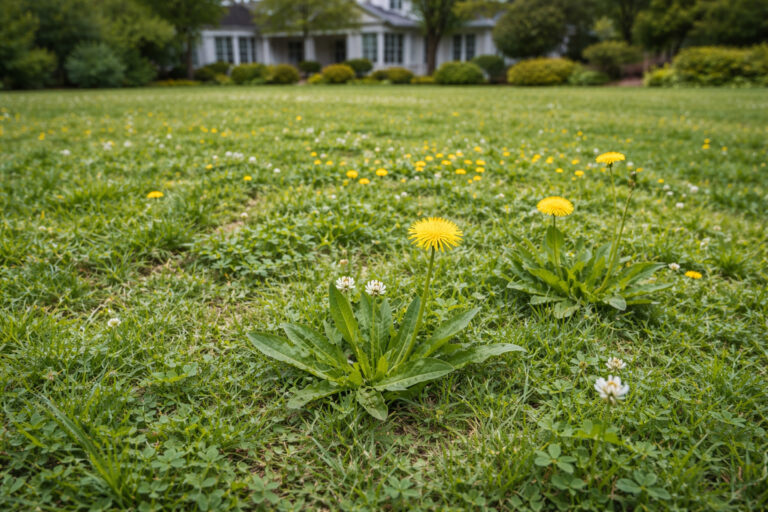
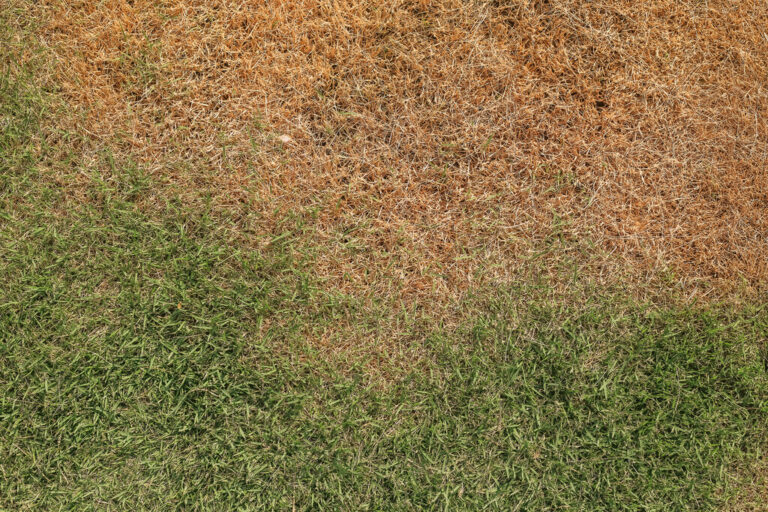
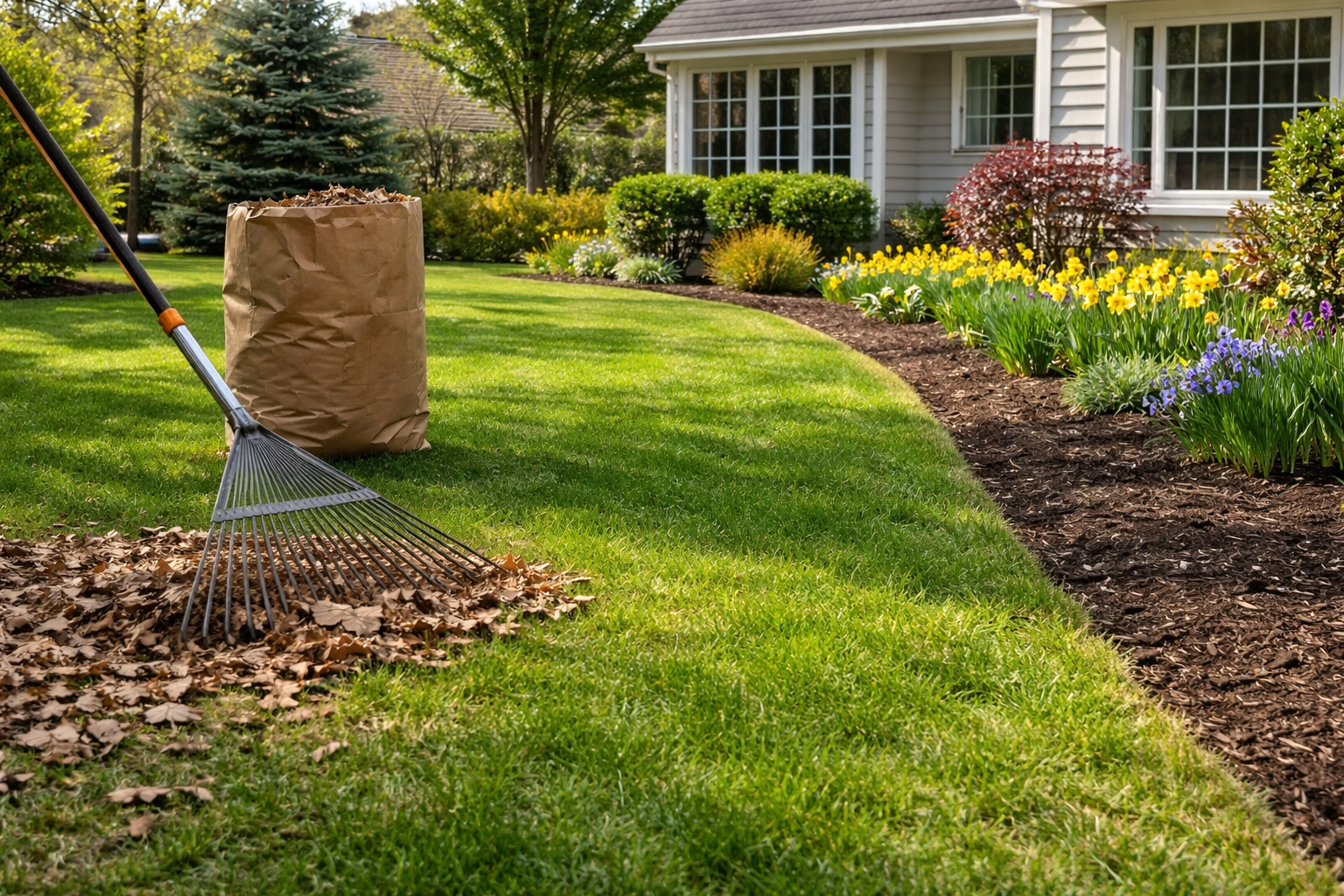
By early spring, many lawns in Stamford are carrying the effects of winter — matted grass, leftover leaves, salt exposure near walkways, and compacted soil from snow and foot traffic. A proper spring lawn clean-up is the first step toward a healthier yard. Removing debris, lightly raking matted turf, edging beds, and clearing out dead material helps sunlight, air, and moisture reach the lawn more evenly. For homeowners searching for getting your lawn ready for spring or spring lawn care Stamford CT, this early clean-up sets the stage for everything that follows. 
Why Soil Aeration Matters More Than Most Homeowners Realize
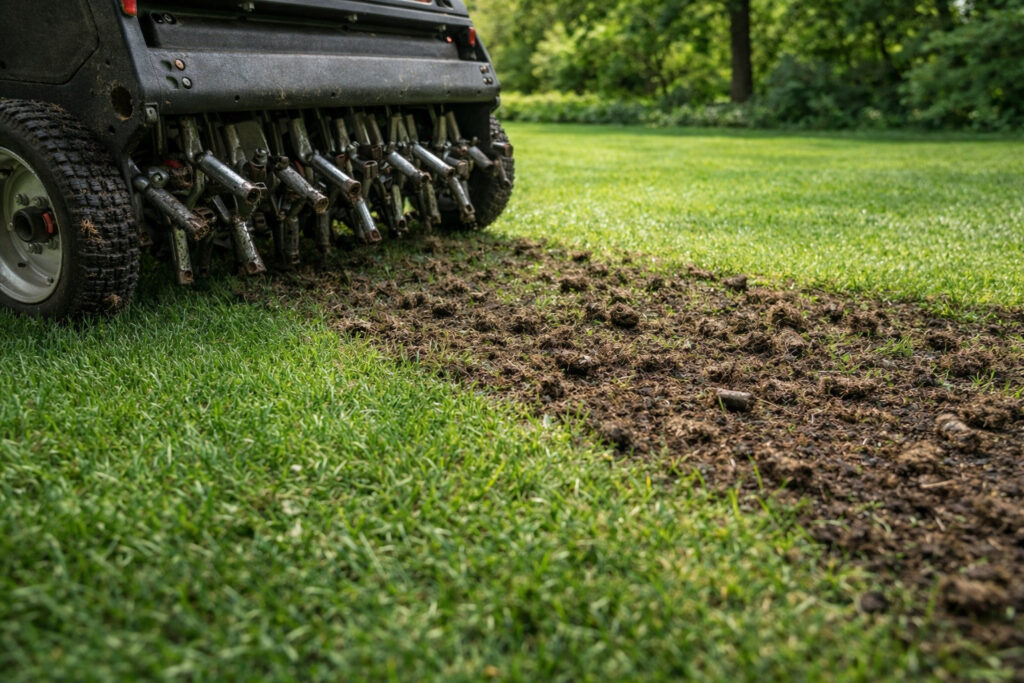
One of the most overlooked spring lawn services is soil aeration for lawns. Over time, Connecticut soils can become compacted, especially in high-traffic areas or where snow piles linger during the winter. Compaction reduces oxygen in the root zone and makes it harder for water and nutrients to move through the soil. Aeration opens the ground so roots can breathe and develop more deeply, which supports thicker turf and improves drought tolerance later in the season. While fall is often the ideal time for major aeration and overseeding, spring evaluation is still important because it tells you whether compaction, drainage, or root stress are contributing to thin or patchy turf.
When to Start Spring Lawn Care in Southwest Connecticut
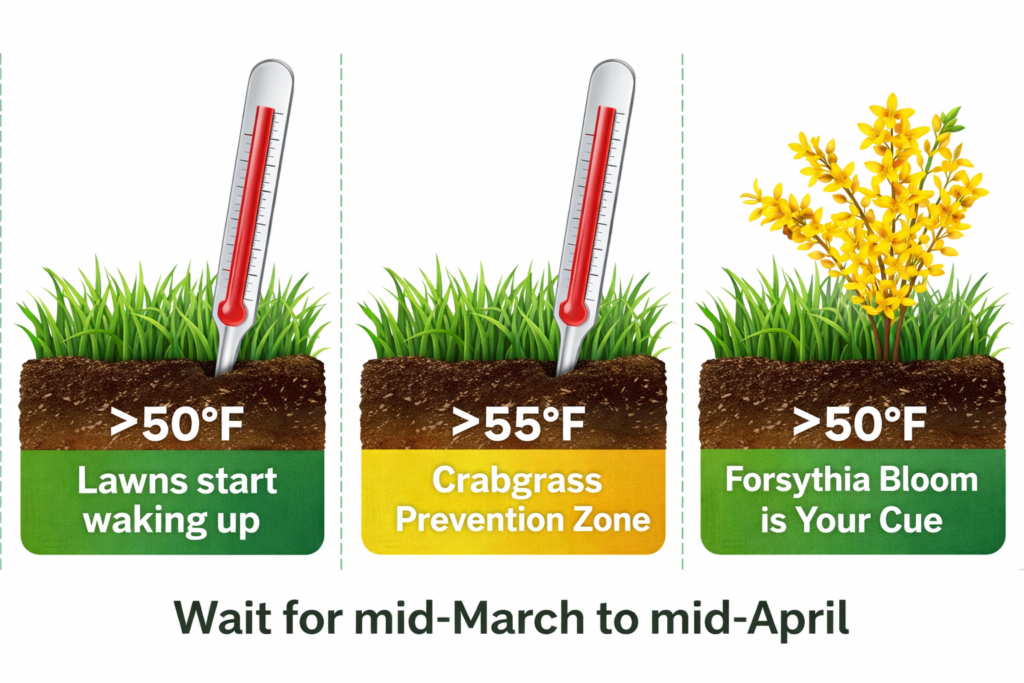
Timing matters. In Connecticut, cool-season lawns begin waking up as soil temperatures climb above 50°F, and that is often the point when grass starts actively growing again. For Fairfield County homeowners, that usually means watching conditions closely from mid-March into April, depending on the year. If you begin too early, the lawn may still be dormant and wet, which can lead to unnecessary stress. If you wait too long, weeds may already be gaining ground. In practical terms, early spring clean-up can begin as the lawn firms up, but more active lawn care decisions should be tied to soil temperature, not just the calendar.
Pre-Emergent Timing: Why Soil Temperature Is the Key
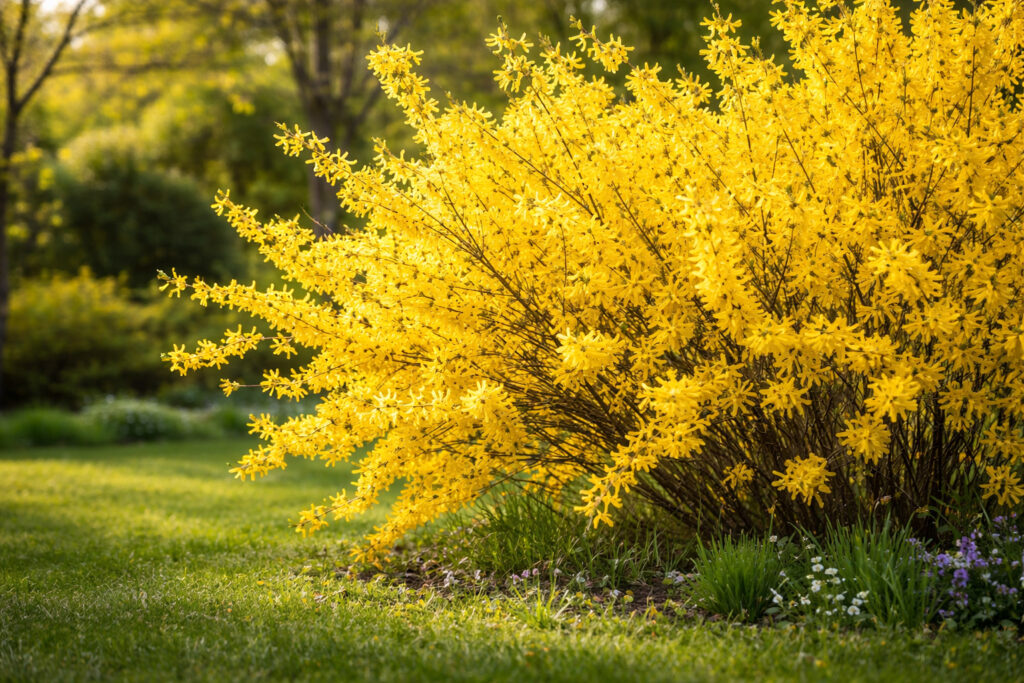
If you are wondering about pre emergent timing in Connecticut or when to apply pre emergent in Stamford CT, the key benchmark is around 55°F soil temperature, which is when crabgrass begins to germinate. UConn guidance notes that pre-emergent products are typically applied 2 to 4 weeks before germination, and that many Connecticut lawn managers use forsythia bloom as a visual cue. In many years, this places the sweet spot roughly between mid-March and mid-April in this area, though weather can shift that window earlier or later. Applying too soon can reduce effectiveness later in the season, and applying too late can allow weeds to break through.
Do Not Overlook Watering and Early-Season Moisture
Spring watering should be thoughtful, not automatic. Lawns often receive enough moisture from spring rain, and overwatering can create shallow roots and encourage disease. The goal is to support root development, not keep the surface constantly wet. If conditions turn dry, water deeply and less often rather than giving the lawn frequent light sprinkles. This is especially important if you are using a pre-emergent product, because some products need to be watered in according to label directions, while overly wet soil can create other turf problems. A healthy Stamford lawn heading into late spring should be rooted, not pampered. 
A Smarter Spring Plan for Fairfield County Lawns
The best spring lawn care plan combines clean-up, timing, and restraint. Start by clearing winter debris, assess whether compaction or weak growth points to a need for aeration later in the year, monitor soil temperatures in Stamford, and time your pre-emergent application before crabgrass germination begins. Most importantly, avoid rushing the process.
Let’s Talk Lawns—We’re Here to Help
At Superior Arbor Care, we help homeowners across Stamford and Fairfield County make informed seasonal decisions that improve turf density, reduce weed pressure, and create healthier lawns through the full growing season. A strong spring start can make the difference between a lawn that struggles all summer and one that stays greener, thicker, and more resilient.